


How to Transfer Spotify to USB: Play Spotify Music Anywhere
Want to transfer Spotify to USB for offline playback? Many users try to move their favorite Spotify songs onto a USB drive for use in cars, speakers, or other devices, but quickly realize it’s not as simple as dragging files. The main issue is that Spotify music is protected and cannot be directly copied. In this guide, we’ll share the best way to make it possible.
Contents Guide Part 1. Can You Download Spotify Music to USB Directly?Part 2. The Only Way to Transfer Spotify Music to USBPart 3. FAQsPart 4. Conclusion
Part 1. Can You Download Spotify Music to USB Directly?
The short answer is no. You cannot directly transfer Spotify to USB. Here’s why:
- Spotify downloads are encrypted
- Files are stored in a protected format
- Music can only be played within the Spotify app
Even if you download songs for offline listening, those files cannot be copied to a USB drive or used outside Spotify. This means transferring Spotify to USB requires an extra step.
Part 2. The Only Way to Transfer Spotify Music to USB
To successfully transfer songs from Spotify to USB drive, you must first convert the tracks into DRM-free MP3 format. This is the most reliable way to ensure full compatibility. Once converted, your files become fully accessible, freely transferable, and ready to play on any device.
DumpMedia Spotify Music Converter is specifically designed to bridge this gap. As a professional-grade tool, it simplifies the conversion process by stripping DRM protection* while maintaining 100% original audio quality. Whether you’re looking to back up a single track or a massive playlist, DumpMedia ensures your music is ready for any USB device in just a few clicks.
🏅More Amazing Features
- ⭐Integration with Spotify web player
- ⭐Work for both Spotify Premium and Spotify Free users
- ⭐Provide batch conversion at up to 35x speed
- ⭐Retain ID3 tags like artist, cover, art, etc.
- ⭐Preserve the original audio quality
- ⭐100% clean. No risk in using
How to Convert Spotify Music to MP3
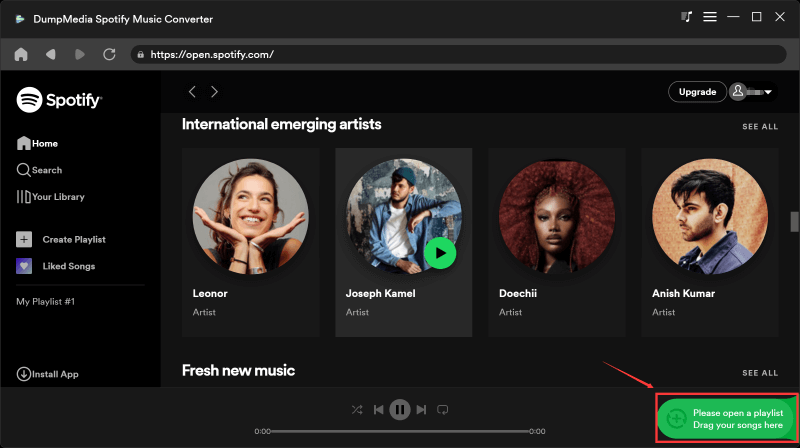
Step 1. Download and install DumpMedia Spotify Music Converter to your Mac/Windows. Launch it and you will see the interface. Use your Spotify Premium/Free account to log in.
Step 2. Now you can navigate to the songs that you wish to download. You can directly drag an album or playlist to add all songs to the convert list.
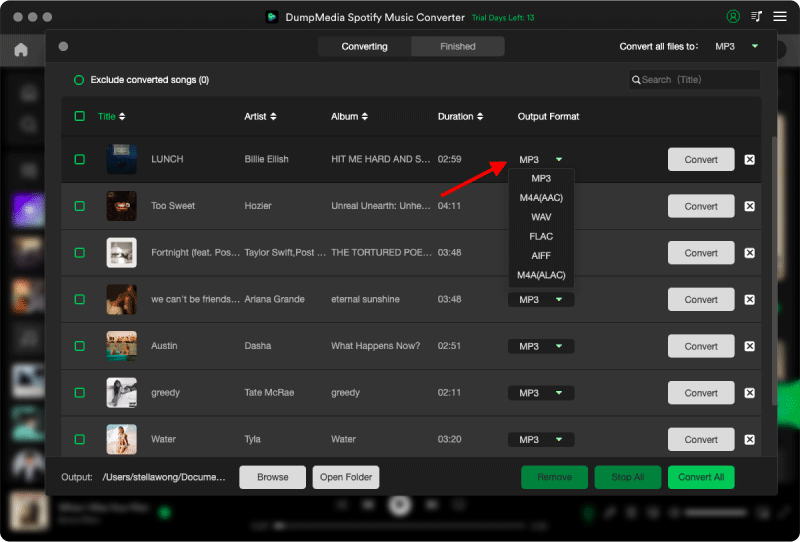
Step 3. On the conversion interface, you can choose output format as MP3, and set Sample Rate or Bitrate on Preference. Also choose a folder where the music files will be saved.
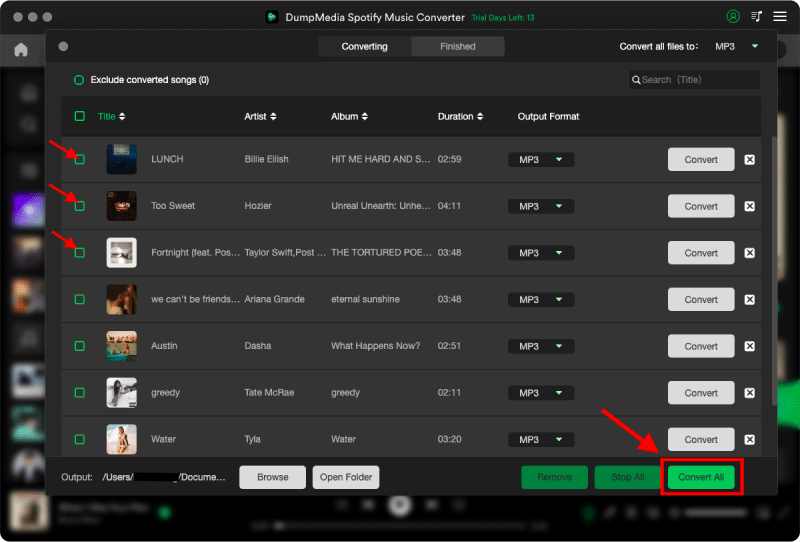
Step 4. Finally, tap the "Convert" button at the bottom of the page, and the software will begin the conversion process.
Transfer Converted Spotify Music to USB
After conversion, moving songs from Spotify to USB becomes simple and fast.
Step 1. Insert your USB drive into your computer. Open the folder with converted MP3 files.
Step 2. Select the songs or playlists. Drag and drop them onto the USB drive.
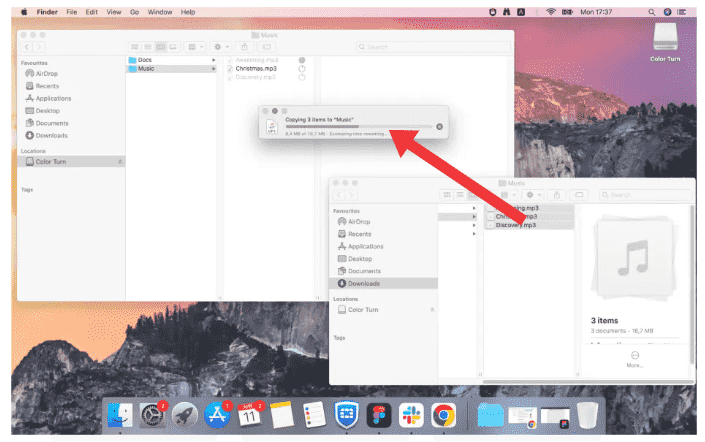
Step 3. Safely eject the USB.
Part 3. FAQs
1. Can I transfer Spotify to USB directly?
No, you cannot transfer Spotify songs to USB directly. Spotify music is protected by DRM, and downloaded songs are stored in an encrypted format that cannot be copied or used outside the Spotify app.
2. How do I transfer Spotify songs to USB for my car?
To transfer Spotify music to USB for car playback, you need to:
- Convert Spotify music into MP3 format
- Copy the converted files to your USB drive
After that, your car stereo should be able to play the files normally.
3. What is the best format for Spotify to USB transfer?
MP3 is the best format for Spotify songs to USB because it is supported by almost all devices, including car stereos, speakers, and TVs.
Other formats like WAV or FLAC offer higher quality but may not be compatible with all USB devices.
4. Do I need Spotify Premium to transfer Spotify to USB?
Not necessarily. While Spotify Premium allows offline listening within the app, transferring Spotify music to USB still requires converting the files into a standard format.
5. Is it safe to use Spotify converters?
Not all tools are safe. Some online services may contain ads or security risks. It’s important to choose reliable software to ensure stable performance and protect your data.
Part 4. Conclusion
Transferring Spotify to USB is not possible directly due to DRM protection, but it becomes easy once you understand the correct process. By converting Spotify music into MP3 and copying it to a USB drive, you unlock full flexibility and compatibility across all devices. If you want a smooth and reliable way to move Spotify songs to a USB, using a professional tool like DumpMedia Spotify Music Converter is the most effective solution.
*DumpMedia works by decrypting and downloading Spotify songs into DRM-free files, allowing you to obtain a clean, unrestricted copy of your library for any device. Its functionality does not include the conversion of local audio files.