


Working Ways to Convert Spotify Music to MP3 (2026 Guide)
Many users are looking for ways to convert Spotify music to MP3 so they can enjoy their favorite songs offline, transfer them to other devices, or keep them permanently. However, Spotify does not officially allow users to export songs as MP3 files due to DRM protection. In this guide, we will break down the most effective ways to convert Spotify song to MP3, including what works, what doesn’t, and which method is best depending on your needs.
Contents Guide Part 1. Can We Convert Spotify Song to MP3?Part 2. 3 Common Ways to Convert Spotify Song to MP3Part 3. Best Way to Convert Spotify Song to MP3 (Reliable Solution)Part 4. FAQsPart 5. To Sum Up
Part 1. Can We Convert Spotify Song to MP3?
Before trying any method, it’s important to understand the reality. Can you turn Spotify music to MP3? Unfortunately, Spotify streams music in a protected format with digital rights management (DRM), so you cannot directly convert Spotify music to MP3 using its official features. Even if you download songs within the Spotify app, they are encrypted and cannot be accessed outside the platform. This is why many users search for alternate ways to convert Spotify song to MP3 for personal use.
Part 2. 3 Common Ways to Convert Spotify Song to MP3
When people search for ways to convert Spotify music to MP3, they usually come across a wide range of tools and methods. Below are the four most common approaches used today, along with what you can realistically expect from each one.
1. Online Spotify to MP3 Converters
Online tools are often the first option users try because they are quick and require no installation. Some popular online converters include SpotifyMate, SpotiDown, and SaveFrom. Typically, you just copy a Spotify track or playlist link, paste it into the website, and download the MP3 file.
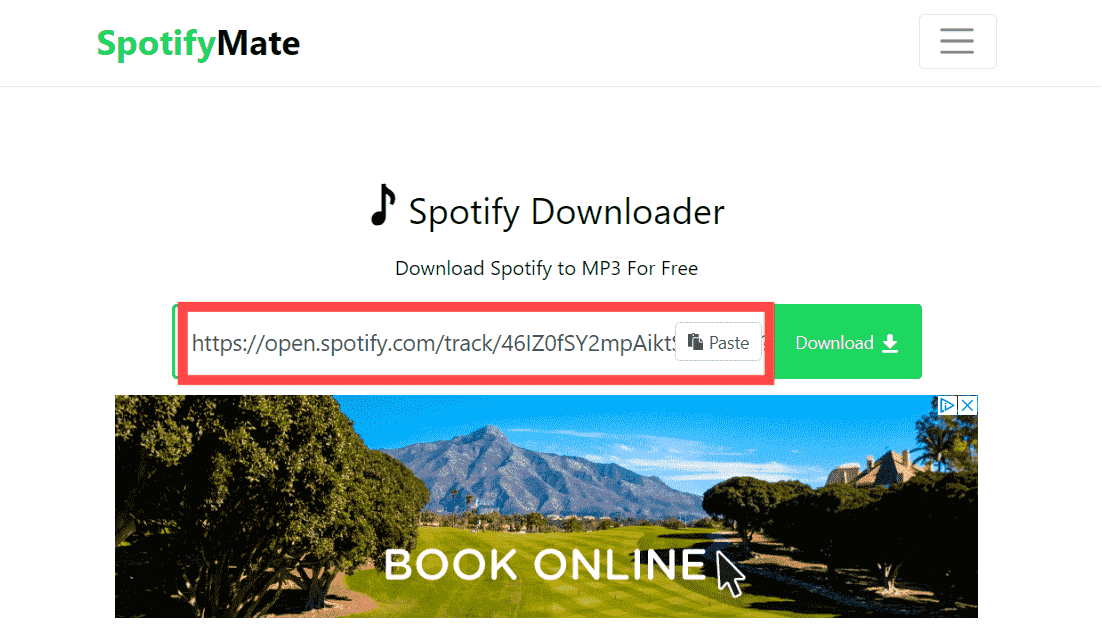
These tools can be convenient for occasional use, especially if you only need to convert Spotify music to MP3 for a few songs. However, they rely heavily on external sources, which makes them unstable in the long run. Many users report broken links, failed downloads, or missing tracks, especially for less popular songs or large playlists. Another limitation is audio quality. Since these platforms do not directly access Spotify’s original stream, the resulting files may not match the expected bitrate or clarity.
Best for: quick, one-time downloads with low expectations for stability or quality.
2. Audio Recording Tools
Another approach is to use audio recording software. Instead of directly converting files, these tools record the sound as it plays on your computer and then save it as an MP3 file. Audacity is a popular and free audio recording software that can be used to convert Spotify music to MP3. It is available for Windows, Mac, and Linux operating systems.
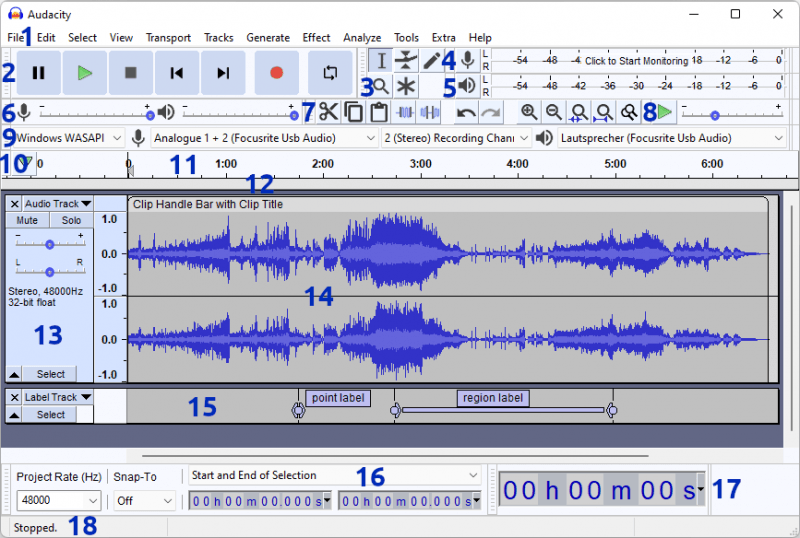
This method technically allows you to convert Spotify songs to MP3, but it comes with several trade-offs. First, recording happens in real time, which means converting a full playlist can take hours. Second, any system noise or interruptions may affect the recording quality. Finally, recorded files often lack proper metadata, requiring manual editing afterward.
Best for: users who have no other option and only need a few tracks.
3. Mobile Apps (Android/iOS)
Some mobile apps claim to help users convert Spotify music to MP3 directly on their phones. These apps are appealing because they offer a portable solution without needing a computer.
Fildo stands as a well-received mobile application that offers users a versatile platform for streaming and downloading music from a range of sources, including Spotify. It's accessible as a mobile app on both iOS and Android devices, ensuring convenient use for a wide user base.
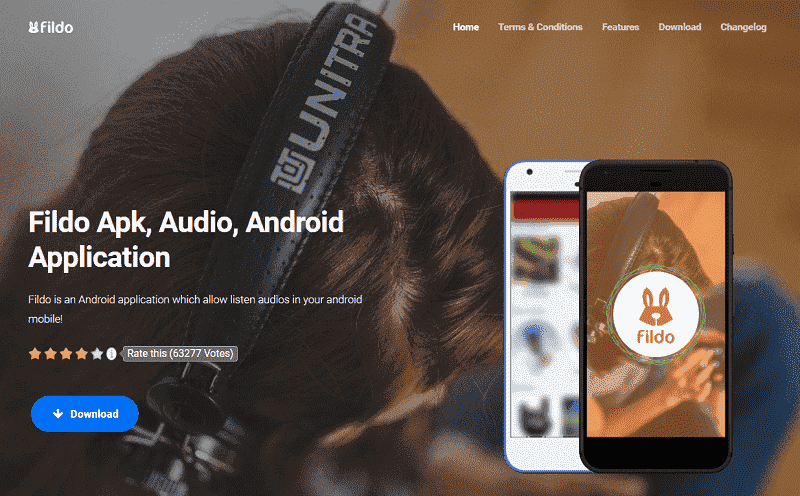
However, in practice, mobile tools are the least reliable option. Due to platform restrictions and Spotify’s policies, many of these apps are frequently removed, limited in functionality, or simply stop working after updates. Additionally, mobile apps often struggle with large playlists, batch processing, and consistent output quality.
Best for: light users experimenting on mobile, but not recommended for serious use.
Why Most Free Methods Don’t Work Well
Although many tools claim to help you convert Spotify music to MP3, they often come with serious limitations:
Online Tools
- Unstable or frequently blocked
- Low success rate
- Limited audio quality
Recording Tools
- Time-consuming (real-time recording)
- Loss of audio quality
- No proper metadata
Mobile Apps
- Limited functionality
- Compatibility issues
- Often removed or unsupported
Part 3. Best Way to Convert Spotify Song to MP3 (Reliable Solution)
If you want a stable, high-quality, and efficient method to convert Spotify music to MP3, using a professional tool is the best option. DumpMedia Spotify Music Converter is designed specifically for this purpose. It allows you to download and convert Spotify songs into MP3 format without losing quality.
- Wide Format Support: DumpMedia supports multiple output formats, including MP3, M4A, WAV, and FLAC. This enables you to choose the format that best suits your needs and preferences.
- High-Quality Conversion: The software ensures that the audio quality of the converted files remains intact. It preserves the original metadata, including album artwork, artist information, and song titles, so you can enjoy a seamless listening experience.
- Batch Conversion: DumpMedia Spotify Music Converter allows you to convert multiple Spotify songs simultaneously. You can add entire playlists or select specific tracks for conversion, saving you time and effort.
- No Spotify Premium Required: Unlike some other tools, DumpMedia Spotify Music Converter does not require a Spotify Premium subscription. You can convert Spotify music with either a free or a premium account.
Compared to free tools, this method ensures a smooth and reliable way to convert Spotify music to MP3. How to convert Spotify song to MP3 using DumpMedia? Follow these simple steps:
Step 1. Open the software on your computer. It works with both Windows and Mac. The interface is user-friendly, making it easy for beginners.
Step 2. Select the tracks, albums, and playlists you want to convert and add them to the conversion queue.
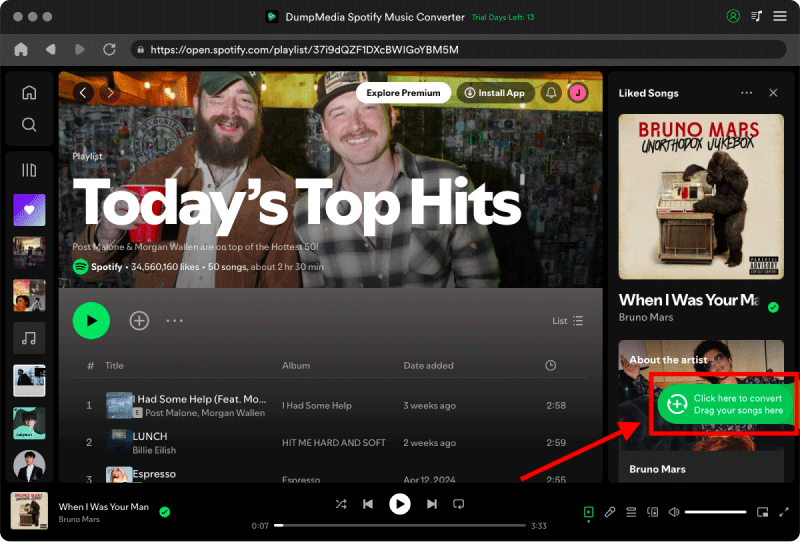
Step 3. In the settings panel, select MP3 as the output format to enable a MP3 download of your selected tracks.
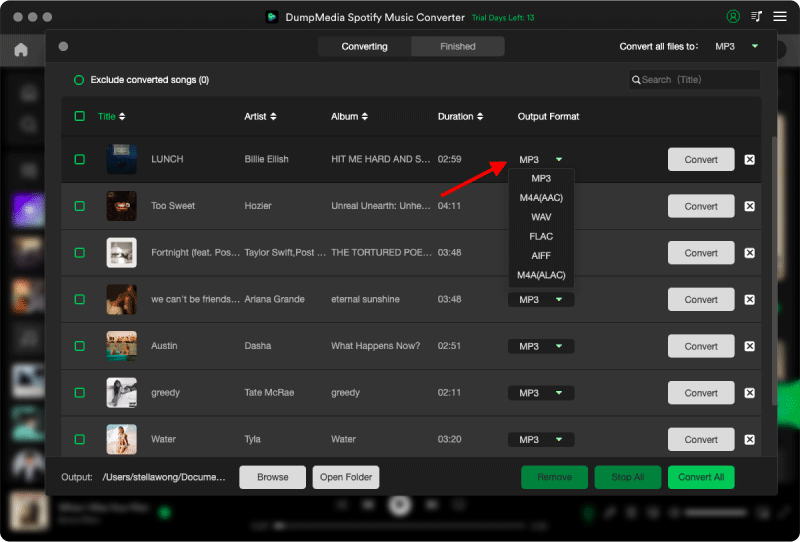
Step 4. The last step would be hitting the “Convert” button to begin the conversion process.
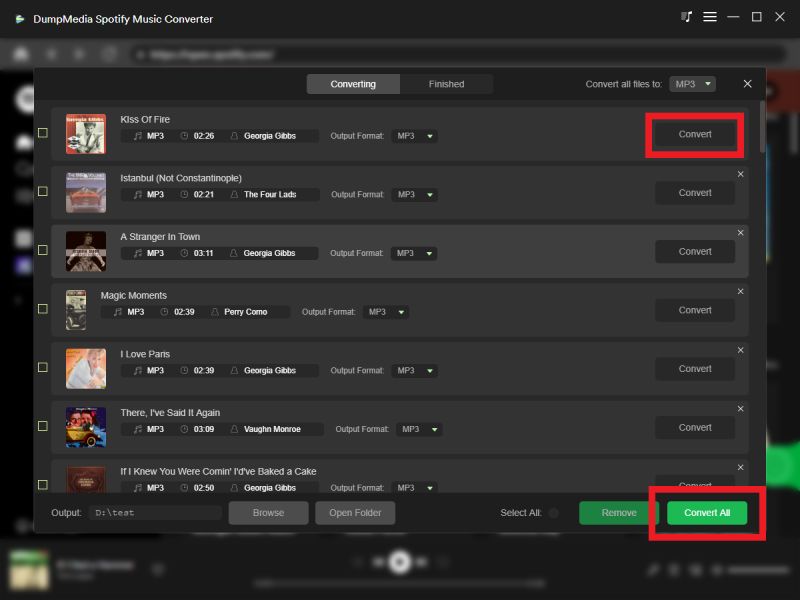
Once finished, your files will be saved locally and can be used on any device. This is one of the most efficient ways to convert Spotify song to MP3 without limitations.
Part 4. FAQs
Is it possible to convert Spotify music to MP3 for free?
Some free tools exist, but they are often unstable or limited.
Why can’t I directly download MP3s from Spotify?
Spotify uses DRM protection, which prevents direct MP3 downloads.
What is the best way to convert Spotify song to MP3?
A professional converter provides the most reliable and high-quality results.
Will I lose audio quality during conversion?
Not if you use a high-quality tool designed for audio conversion.
Can I convert entire playlists?
Yes, some tools support batch conversion for playlists.
Part 5. To Sum Up
Trying to convert Spotify music to MP3 can be confusing due to the wide range of tools available and the limitations imposed by Spotify itself. A more practical approach is to use a dedicated solution that ensures stable performance and high-quality output. Tools like DumpMedia Spotify Music Converter provide a streamlined experience, allowing users to convert and manage their music efficiently without the common frustrations associated with free tools. If your goal is to build a reliable offline music library and enjoy your favorite tracks without limitations, choosing the right method makes all the difference.