


Perché è Spotify Troppo lento? Soluzioni collaudate nel 2026
Se ti stai chiedendo perché Spotify è così lento, non sei solo. Molti utenti riscontrano buffering, riproduzione ritardata o caricamento ritardato quando utilizzano Spotify, anche con una connessione internet stabile. In questa guida spiegheremo in dettaglio perché è Spotify così lento, cosa lo causa e come puoi risolverlo in modo permanente. Ancora più importante, ti mostreremo anche una soluzione a lungo termine per migliorare il tuo Spotify Un'esperienza di ascolto senza interruzioni.
Guida ai contenuti Parte 1. Perché è Spotify Improvvisamente lento? Le cause principali spiegate.Parte 2. Come risolvere Spotify Essere lenti in modo permanenteParte 3. Il modo migliore per migliorare Spotify Esperienza di ascoltoParte 4. Domande frequentiParte 5. Conclusione
Parte 1. Perché è Spotify Improvvisamente lento? Le cause principali spiegate.
Ci sono diverse ragioni per cui è Spotify Sono così lenti e la maggior parte dei problemi è legata alle prestazioni dell'app, alle condizioni di rete o alle limitazioni del dispositivo.
1. Connessione Internet scadente
Uno dei motivi più comuni per cui Spotify La connessione internet è così lenta e instabile che anche piccole fluttuazioni possono causare buffering o ritardi nella riproduzione.
2. Spotify Sovraccarico della cache
Col tempo, Spotify memorizza i file della cache per migliorare le prestazioni. Tuttavia, troppi dati memorizzati nella cache possono effettivamente rallentare l'app ed è una delle ragioni principali per cui è Spotify risulta quindi lento su molti dispositivi.
3. Versione obsoleta dell'app
Utilizzando un obsoleto Spotify la versione può portare a problemi di prestazioni. Bug e problemi di compatibilità spesso spiegano perché è Spotify L'app è diventata lentissima dopo gli aggiornamenti.
4. Limitazioni delle prestazioni del dispositivo
I dispositivi con poca memoria o più vecchi potrebbero avere difficoltà a gestire Spotify senza intoppi, che è un altro motivo comune per cui Spotify L'app è lentissima.
5. Applicazioni in background che consumano risorse
Se più app sono in esecuzione in background, Spotify potrebbe rallentare a causa delle risorse di sistema limitate, contribuendo al motivo per cui è Spotify così lento durante la riproduzione.
6. Spotify Impostazioni profilo
Molti utenti lo segnalano Spotify diventa lento solo durante lo streaming di brani. Questo è solitamente correlato alla regolazione del bitrate di streaming o alla commutazione adattiva della qualità. Questi fattori spiegano perché è Spotify È molto lento, soprattutto durante la riproduzione musicale, ma non durante l'utilizzo di altre app.
Parte 2. Come risolvere Spotify Essere lenti in modo permanente
E 'la tua Spotify Il sito presenta rallentamenti, scatti o tempi di caricamento eccessivi? Ecco alcuni metodi efficaci per migliorare le prestazioni:
1. Cancella il file Spotify Cache
Col tempo, Spotify La cache memorizza grandi quantità di dati temporanei e tracce "in cache" per velocizzare la riproduzione. Tuttavia, una cache sovradimensionata o danneggiata può avere l'effetto opposto, causando un notevole rallentamento. Cancellando la cache nelle impostazioni dell'app, il software viene forzato ad aggiornare la sua struttura dati.
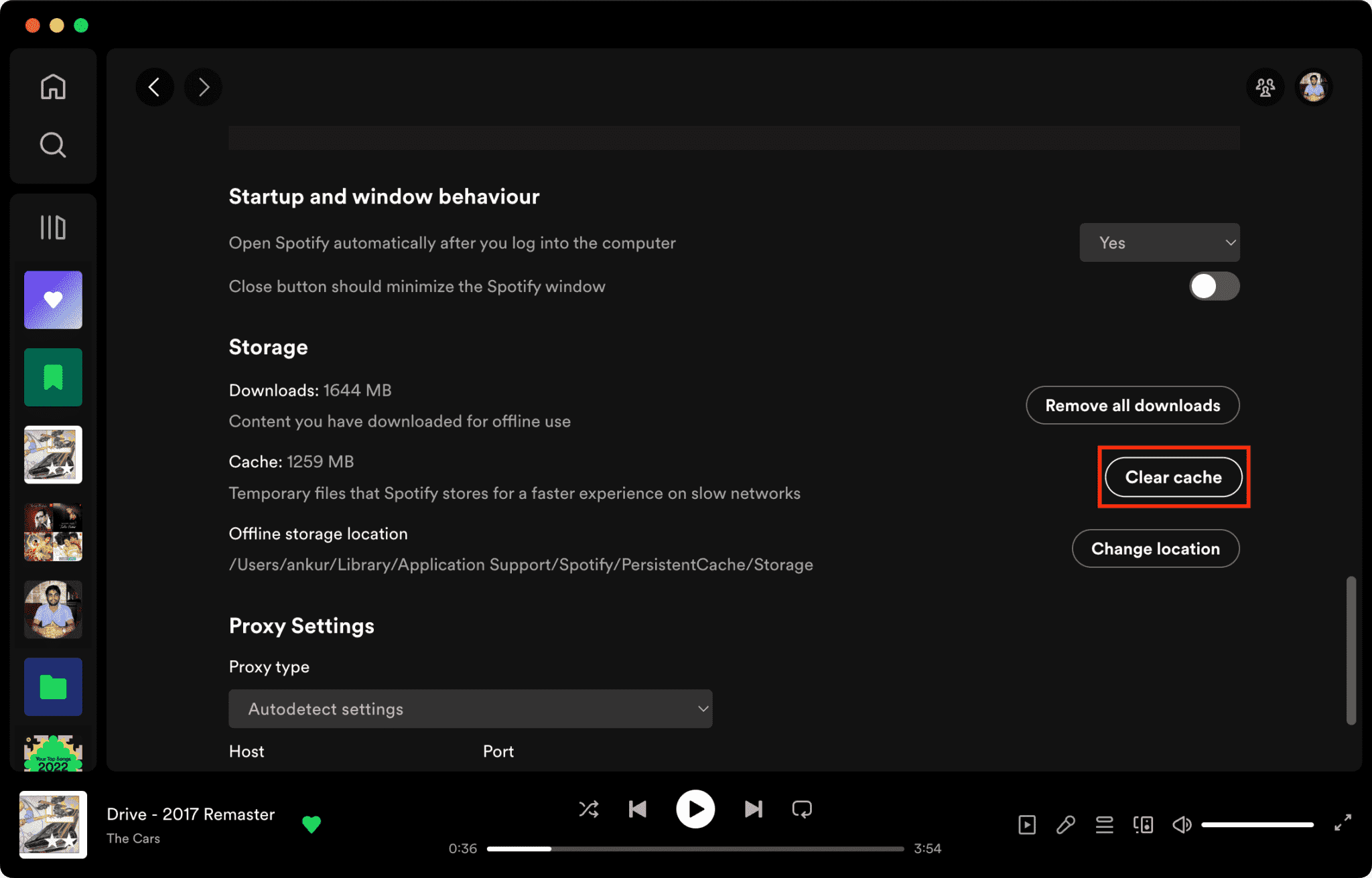
Articolo correlato: Come cancellare Spotify Cache su computer/dispositivi mobili >>>>>>
2. Riavviare l'applicazione
Eseguire un riavvio manuale è un passaggio fondamentale per la risoluzione dei problemi che affronta efficacemente molte delle cause sottostanti per cui è Spotify così lento. Questo processo svuota la memoria temporanea (RAM) dell'applicazione e termina forzatamente eventuali "thread zombie" o processi in background ridondanti che potrebbero consumare risorse di sistema. Eliminando questi colli di bottiglia di esecuzione, si consente al software di inizializzare una sessione pulita, risolvendo spesso i blocchi persistenti e i ritardi dell'interfaccia che interrompono l'esperienza di streaming.
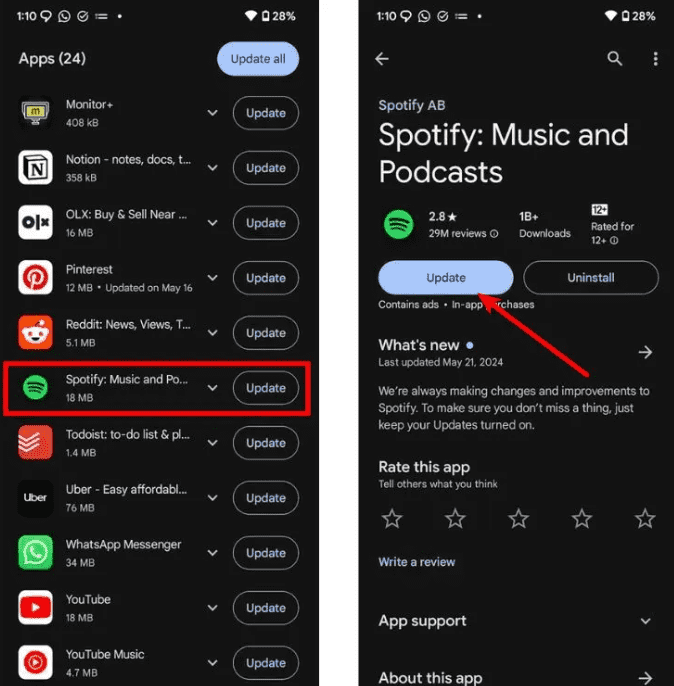
3. Aggiorna all'ultima versione
Gli sviluppatori rilasciano frequentemente patch per correggere perdite di memoria e bug di compatibilità. L'esecuzione di una versione obsoleta di Spotify significa che ti stai perdendo queste ottimizzazioni critiche delle prestazioni.
4. Eseguire una reinstallazione pulita
Se i problemi di prestazioni persistono, spesso è necessaria una reinstallazione completa. Questa operazione rimuove tutti i file di libreria e le voci di registro associati che potrebbero essere danneggiati, ripristinando l'ambiente di fabbrica per il software.
5. Passare dalla connessione Wi-Fi alla connessione dati mobile
La congestione della rete o un "blocco DNS" possono spesso essere la causa dei tempi di caricamento lenti. Cambiare il tipo di connessione può aggirare le interferenze della rete locale e aiutare a capire se il problema risiede nel tuo ISP (Internet Service Provider) piuttosto che nell'applicazione stessa.
Questi passaggi possono ridurre temporaneamente i problemi relativi al perché è Spotify Sono lenti, ma non risolvono in modo permanente l'instabilità dello streaming.
Parte 3. Il modo migliore per migliorare Spotify Esperienza di ascolto
Se vuoi evitare completamente buffering, lag o ritardi nello streaming, la soluzione più efficace è ascoltare la musica offline senza affidarti a uno streaming instabile. Ecco come ti consigliamo DumpMedia Spotify Music Converter.
Download gratuito Download gratuito
Con questo strumento puoi:
- convertire Spotify Musica per MP3, WAV, FLAC
- Ascolta offline senza buffering
- Evita completamente i ritardi nello streaming.
- Ascolta la musica su qualsiasi dispositivo
- Conserva le canzoni in modo permanente
Invece di chiedere costantemente perché è Spotify Così lento, questo approccio elimina il problema alla radice: la dipendenza dallo streaming live. Utilizzando strumenti di conversione per trasformare i flussi crittografati in risorse localizzate, gli utenti possono aggirare le limitazioni intrinseche delle piattaforme online, come il buffering, la dipendenza dalla rete, il ritardo nella riproduzione e altro ancora.
Come scaricare Spotify Canzoni a MP3
Passo 1: Scarica e installa DumpMedia Spotify Music Converter al tuo Mac/Windows. Avvialo e vedrai l'interfaccia. Usa il tuo Spotify Account Premium/Gratuito per accedere.
Download gratuito Download gratuito
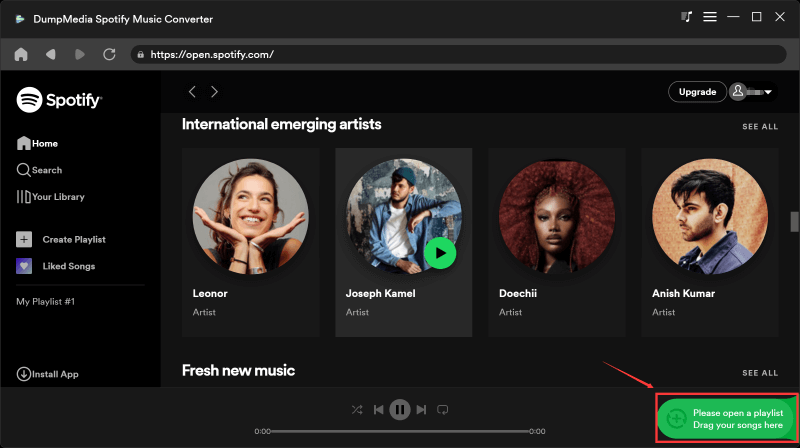
Passaggio 2. Ora puoi navigare fino ai brani che desideri scaricare. Puoi trascinarli direttamente nell'elenco di conversione.
Passo 3: Nell'interfaccia di conversione, puoi scegliere il formato di output come MP3e imposta la frequenza di campionamento o il bitrate nelle preferenze. Scegli anche una cartella in cui salvare i file.
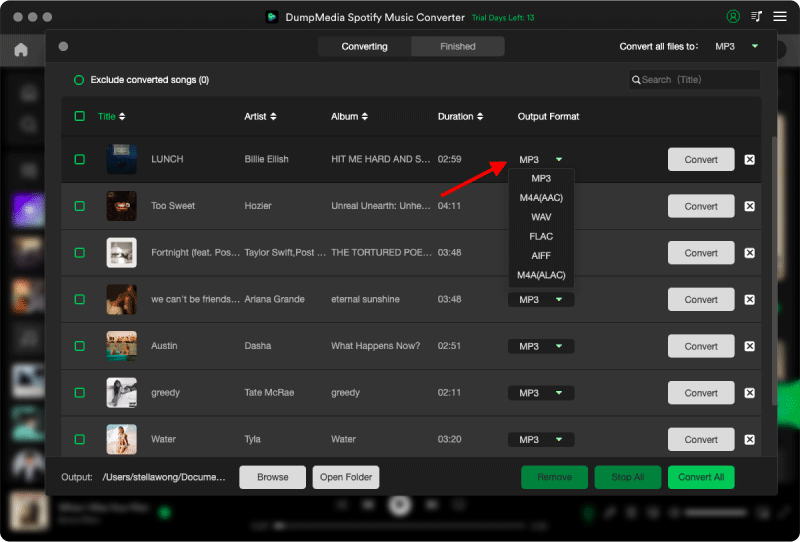
Passaggio 4. Infine, tocca il pulsante "Converti" in fondo alla pagina e il software avvierà il processo di conversione.
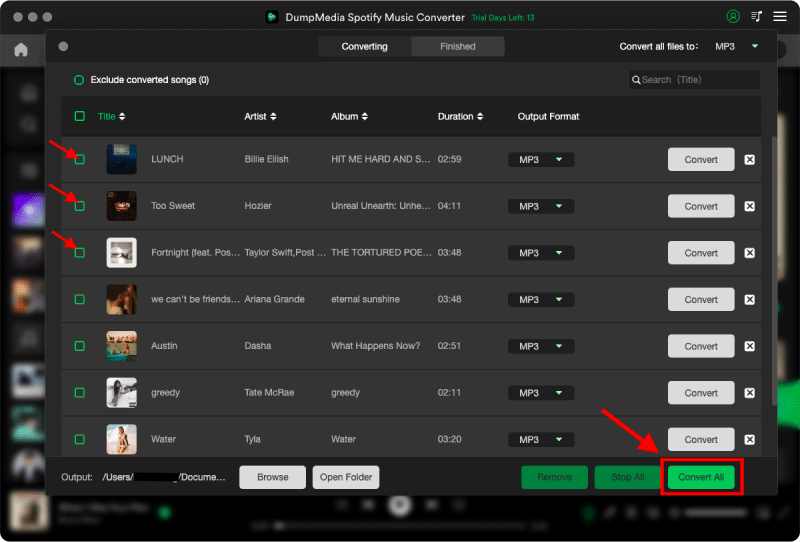
Per gli utenti esperti che danno priorità a un'esperienza fluida e ad alta risoluzione, DumpMedia Spotify Music Converter Offre una soluzione permanente all'instabilità dello streaming, andando oltre le soluzioni temporanee delle app per raggiungere una vera autonomia offline.
Parte 4. Domande frequenti
Perché è Spotify L'app è troppo lenta sui dispositivi mobili?
Solitamente a causa di un segnale debole, applicazioni in background o sovraccarico della cache.
Perché è Spotify così lento con il Wi-Fi?
Il problema potrebbe essere causato dall'instabilità del router o da problemi di routing DNS.
Perché è Spotify È così lento, ma internet è veloce?
Ciò è spesso dovuto alla cache dell'app o a problemi di prestazioni del dispositivo.
Come posso risolvere in modo permanente Spotify ritardo?
La soluzione più affidabile è ridurre la dipendenza dallo streaming utilizzando strumenti di conversione musicale offline.
Parte 5. Conclusione
Se ti chiedi spesso perché è Spotify così lento, il problema di solito non è una singola causa ma una combinazione di problemi relativi alla rete, al dispositivo e all'app. Mentre le soluzioni di base possono migliorare temporaneamente le prestazioni, l'esperienza di ascolto più stabile si ottiene eliminando completamente la dipendenza dallo streaming utilizzando strumenti come DumpMedia Spotify Music Converter.